What Operational Drag Actually Costs
- •Payroll tied up in steps that no longer add value
- •Decisions delayed because ownership is unclear
- •Manual processes that persist because no one mapped the workflow
- •Tools layered onto broken systems
Operational friction does not stay flat. It compounds as your company grows.
Manual processes, unclear ownership, and rework quietly absorb payroll every month.
Before investing in AI, automation, or new systems, we diagnose where time, money, and clarity are being lost.
Operational friction typically costs mid-market companies 15–25% of potential revenue through delayed decisions, duplicated work, and missed opportunities.
Clarity precedes technology.
We identify the first structural constraint before recommending change.
If your team is busy all the time but progress feels slower than it should, operational drag is likely embedded in the workflow.
It rarely announces itself.
It shows up as coordination, clarification, and rework.
This audit is led directly by Edward Olszanowski, PMP, PMI-ACP.
There is no delegation, no junior team, and no layered consulting structure.
You work directly with the person responsible for the diagnosis.
We confirm fit and define the operational constraint to examine.
Edward conducts interviews with key team members and reviews core workflows to identify friction points.
Findings are synthesized into a structured report isolating the primary constraint and prioritized corrective actions.
Edward presents findings, answers questions, and defines next steps.
This audit diagnoses operational friction and workflow clarity. If your constraints exceed the scope of operational efficiency (for example, complex regulatory compliance requirements, system integrations requiring technical architecture, or organizational restructuring), we will identify those boundaries and recommend specialist resources.
This audit focuses on workflow efficiency and process clarity. It does not include financial auditing, compliance verification, or technical implementation. Your investment is protected through actionable insights and transparent communication about what the audit covers and what it does not.
No transformation program. No scope expansion. No implementation until the process is clear.
Internal teams normalize friction.
Large firms expand scope.
This audit isolates the constraint first.
Focused. Senior-led. Contained.
Internal teams operate inside the system that created the friction.
Operational blind spots are rarely visible from within.
This audit provides an external diagnostic lens before you commit internal time and resources.
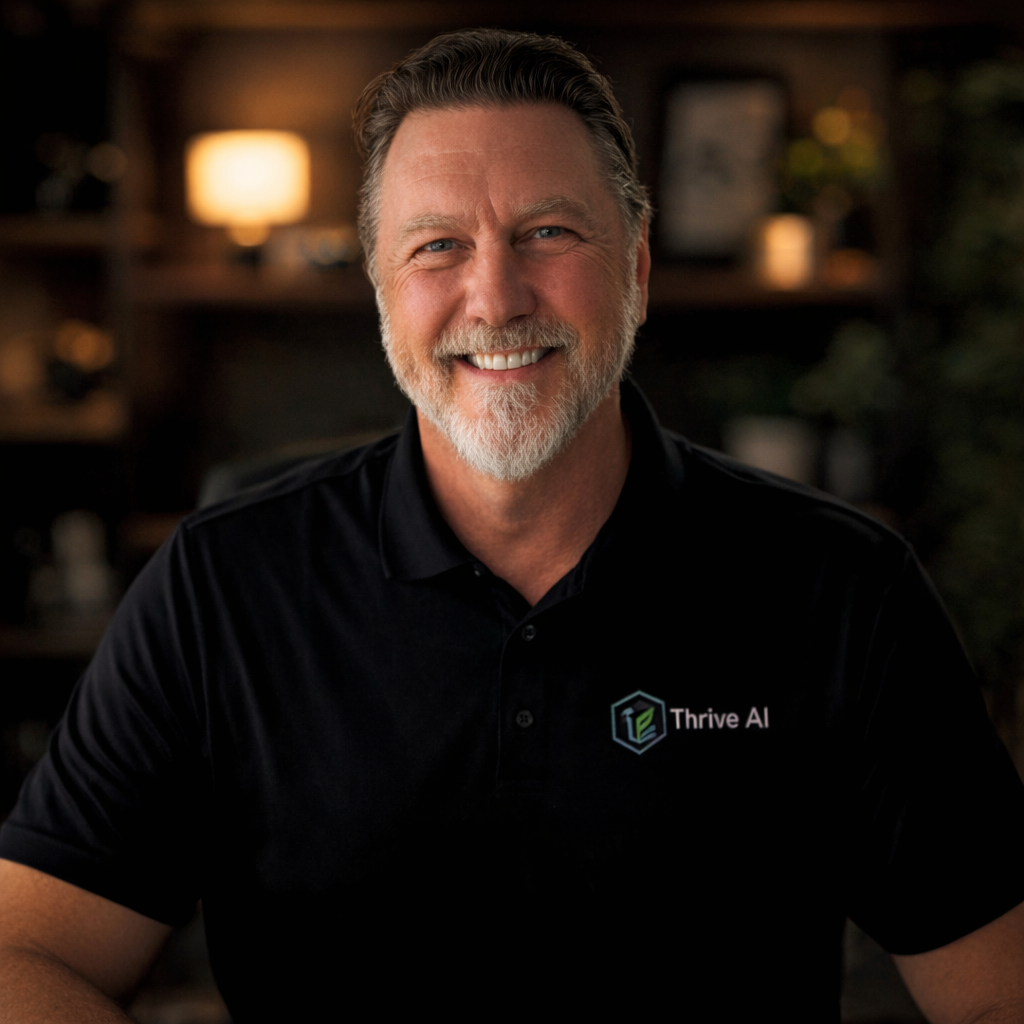
Edward Olszanowski
PMP, PMI-ACP
Edward Olszanowski, PMP, PMI-ACP, has led and mapped operational workflows across healthcare, financial services, energy, and manufacturing environments — including work inside organizations operating at Fortune 500 scale.
Over 22 years of enterprise and mid-market experience.
Hundreds of workflows analyzed.
Millions in operational waste identified and removed.
We build and deploy systems that solve specific operational problems. These tools support the diagnostic work, not replace it.
We run hands-on AI workshops for professionals who want practical skills, not theory. If your team needs to understand what AI can and can't do before or after an operational review, this is the place to start.
View Upcoming Workshops →This conversation determines whether the audit is appropriate.
What happens on the call:
If you are accountable for the outcome, delaying structural clarity has a cost.